Beyond the Average: Reaching Every Learner Through Intentional Design
Learn More About Us — Book a Demo
Why This Matters Now
The latest NAEP results for twelfth graders (2025) show a clear message: the traditional classroom model is breaking down. Math and reading scores have fallen to lows not seen in almost twenty years. High performers are losing momentum. Marginalized students remain blocked from advanced learning. Many students, across achievement levels, report feeling disengaged or invisible.
These trends point to a structural issue: one-size-fits-all instruction no longer works.
Subject was built to address this. The platform combines research-driven curriculum with tools that enable small-group instruction, personalized content and support, and real-time insight into student progress. The goal is simple: give every learner what today’s classrooms have been missing, flexible pathways to success, grounded in best practices and measurable learning outcomes.
Research reinforces the urgency of this approach. Shotick (2024) and Almeqdad et al. (2023) show that instruction designed through the Universal Design for Learning (UDL) framework strengthens accessibility, inclusion, and academic growth. UDL starts from a core truth: learners differ in how they understand material, show what they know, and stay motivated. When curriculum anticipates these differences, students need fewer interventions later, disengagement drops, and achievement rises.
Subject’s curriculum is built on this foundation. It moves beyond content delivery. It offers High-Quality Instructional Materials with built-in flexibility, clear pathways for comprehension, and routines that help students see themselves as capable learners.
How UDL Lives Inside Every Subject Course.
UDL is not a layer on top of the curriculum—it’s the design logic behind it. Subject weaves the three core UDL principles into every lesson.
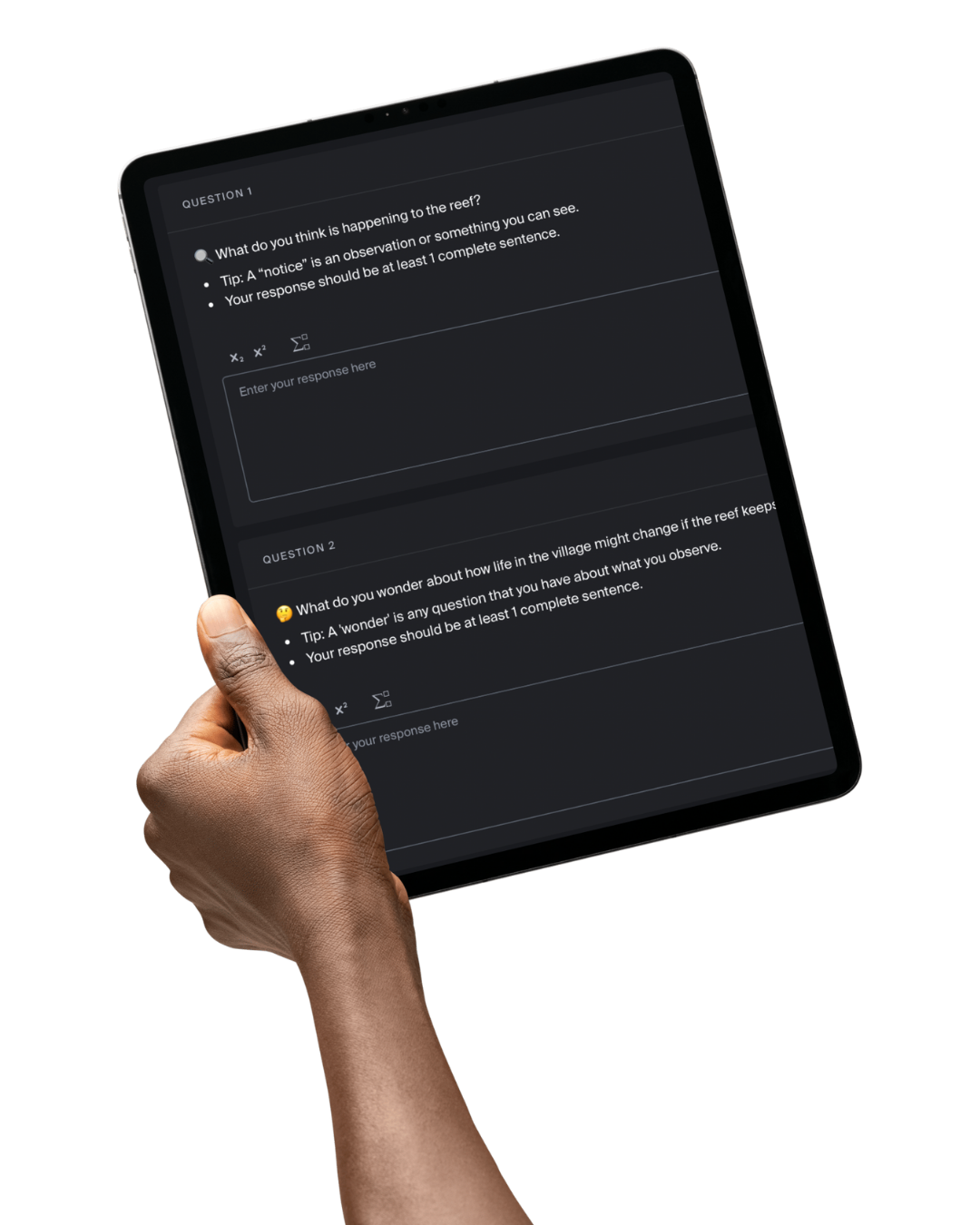
Example: Middle School Life Science
A lesson on biodiversity does not begin with definitions. Students first analyze field photographs through a Notice and Wonder routine, lowering language demands and creating an accessible entry point.
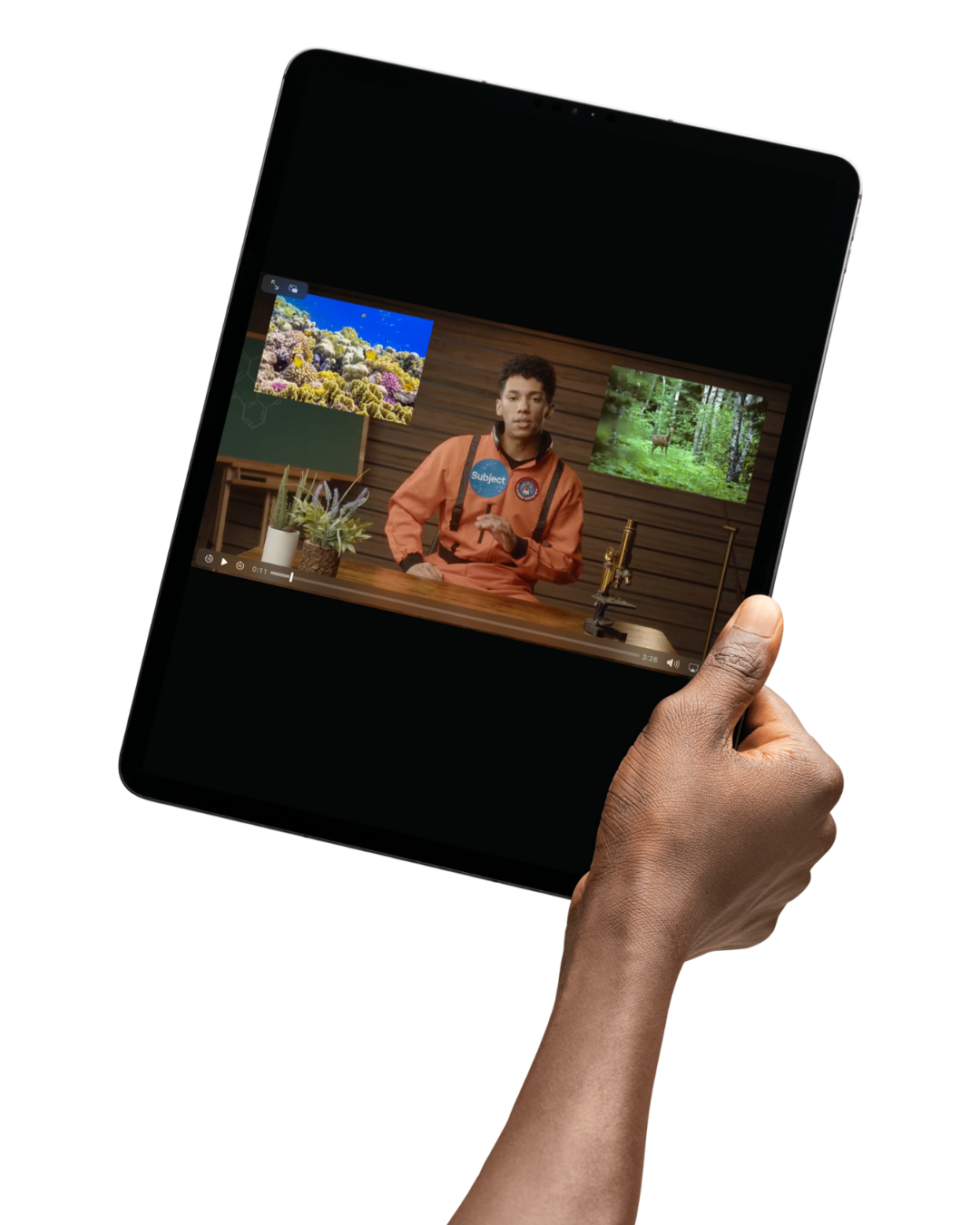
Students then they watch a short video with narration, images, and maps, followed by a reading passage that reinforces key ideas. Shotick (2024) notes that these overlapping pathways help students form mental models more effectively than any single format could.
Students need more than one way to show what they know. Shotick (2024) states that authentic choice in how students respond increases meaningful learning. Subject’s lessons incorporate scaffolded practice, interactive tasks, creative projects, and structured writing

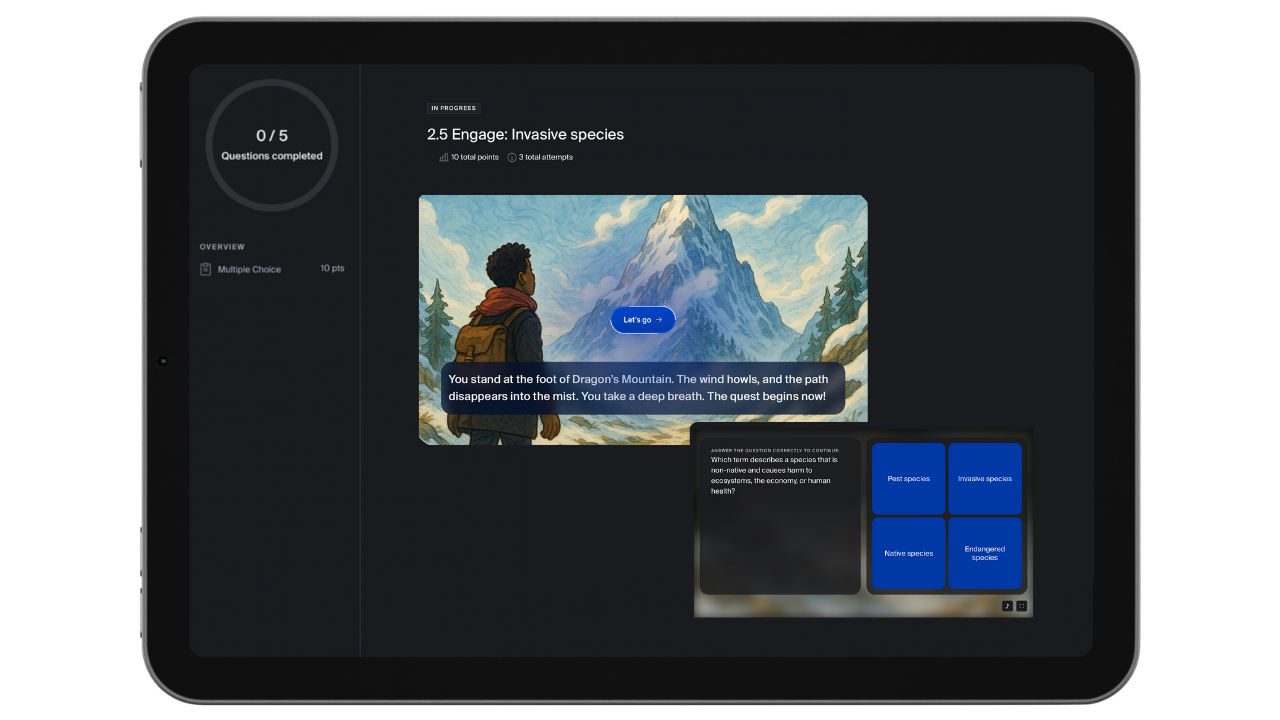
Motivation is a learning variable just as important as content. Almeqdad et al. (2023) describe engagement as supporting interest, persistence, and self-regulation. Subject designs for relevance and connection.
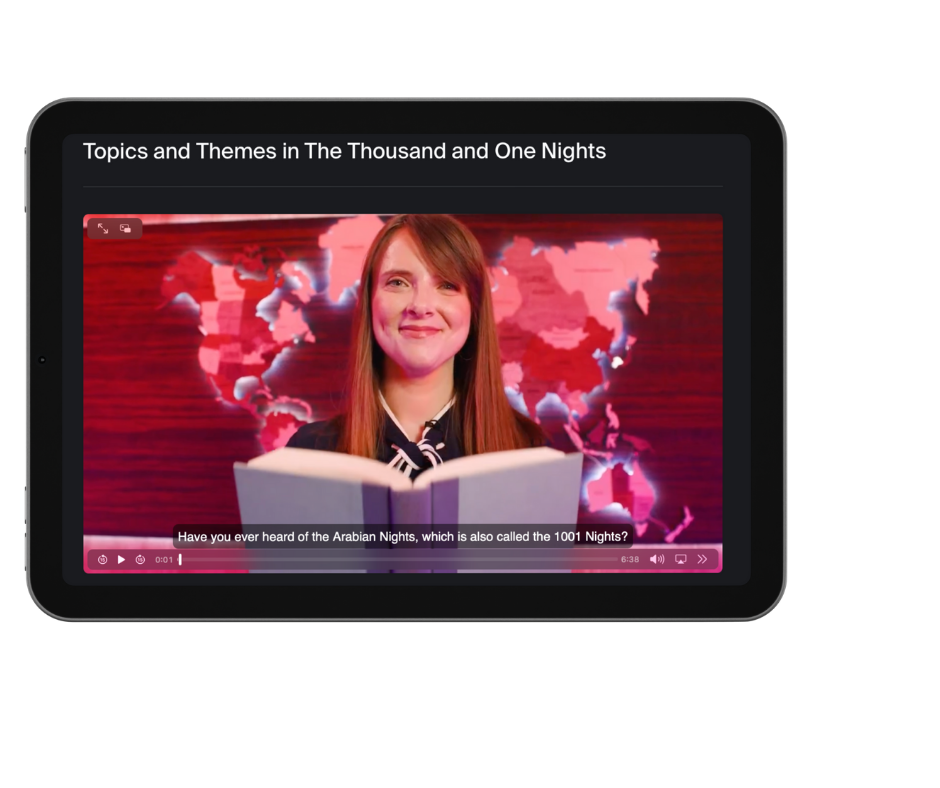
Example: English II – Global Stories
Students explore universal themes by comparing texts like Gilgamesh and Sinbad the Sailor, or the Odyssey with modern narratives. These global pairings validate students’ cultural knowledge and spark curiosity. Each unit ends with reflection prompts that help students monitor their progress—an essential habit of expert learners (Navaitienė & Stasiūnaitienė, 2021).
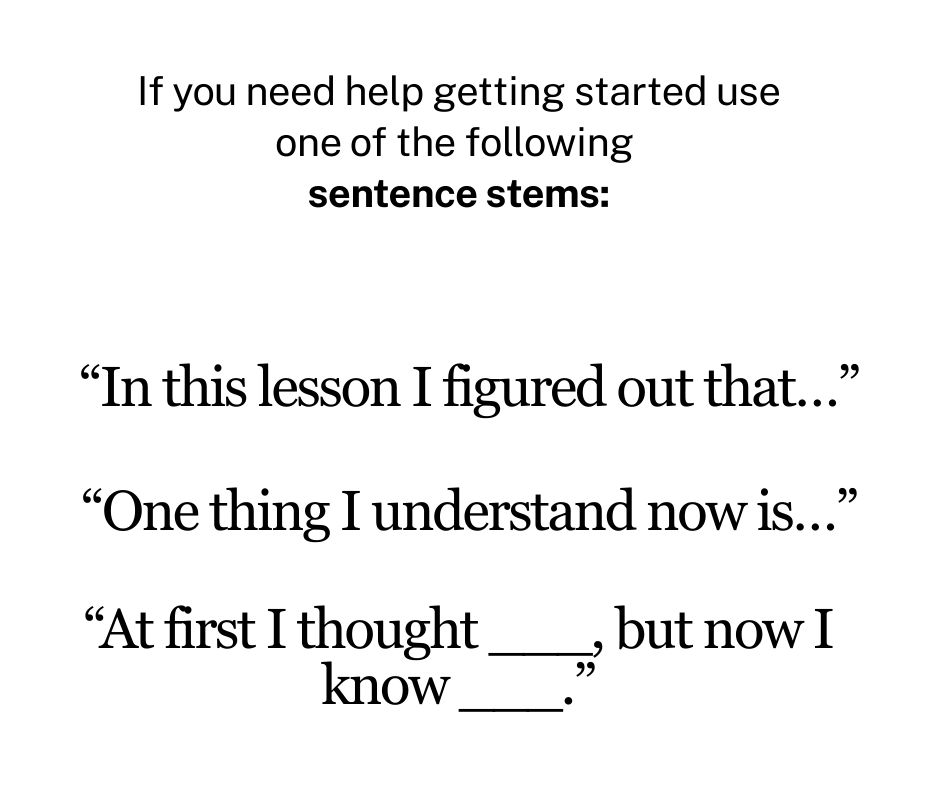
Example: Middle School Environmental Science
Structured reflection stems support multilingual learners and help every student think deeply about both the content and how they learned it.
How the Subject Platform Amplifies Learning.
The curriculum sets the direction; the platform ensures every learner can follow it. Each feature removes barriers, builds independence, and reinforces core UDL principles.
1. Personalized Environments
Students control how they interact with the course.
The Student Accessibility Panel lets them adjust text size, spacing, contrast, and dyslexia-friendly fonts—features that reduce distractions and improve comprehension (Shotick, 2024). Teachers use Section-Level Course Progression Settings to set pacing and mastery thresholds that match classroom readiness.
Courses can be instantly translated, ensuring multilingual learners begin each lesson with confidence.
2. Active, Multimodal Content
Videos include Guided Notes and Video Transcripts. CAST UDL 3.0 emphasizes that comprehension depends on perceivable information. These supports help students focus on key ideas and reduce cognitive load.
Just-in-Time Scaffolds
When students hit challenging text, they can use:
- ExplainThis for simplified explanations
- Translate for home-language access
- ReadAloud for auditory processing
These align with UDL Guideline 2, ensuring linguistic flexibility without breaking lesson flow.
3. Tools That Build Independent Learners
As students move into practice, Spark Homework Helper guides them through problems without giving away answers. This builds productive struggle, which is a key driver of expert learning (Navaitienė & Stasiūnaitienė, 2021).
4. Feedback That Drives Mastery
Instant Grading closes the loop with actionable feedback tied to strategies and effort, aligning with CAST UDL Guideline 8. Students see exactly where they improved and what comes next.
What This Means for Schools
The latest NAEP results demand a shift: more personalization, more flexibility, and tools that connect daily instruction to measurable learning outcomes.
Subject delivers this by combining:
- Research-based curriculum grounded in UDL
- Platform tools that personalize access and support
- Adaptive experiences that help teachers run small-group instruction
- Real-time insight into student progress
- Learning loops that strengthen mastery and independence
This is how modern classrooms scale instruction for every learner, not by reducing expectations, but by expanding the pathways to reach them.
Learn More About Us — Book a Demo
References
- Almeqdad, Q. I., Alodat, A. M., Alquraan, M. F., Mohaidat, M. A., & Al-Makhzoomy, A. K. (2023). The effectiveness of universal design for learning: A systematic review of the literature and meta-analysis. Cogent Education, 10(1). https://doi.org/10.1080/2331186X.2023.2218191
- CAST. (2024). Universal design for learning guidelines version 3.0. CAST.
- National Center for Education Statistics. (2025). NAEP mathematics grade 12: National trends and student skills. The Nation's Report Card. https://www.nationsreportcard.gov/reports/mathematics/2024/g12/national-trends/
- Navaitienė, J., & Stasiūnaitienė, E. (2021). The goal of the universal design for learning: Development of all to expert learners. In A. Galkienė & O. Monkevičienė (Eds.), Improving inclusive education through universal design for learning (pp. 23–57). Springer. https://doi.org/10.1007/978-3-030-80658-3_2
- Shotick, K. (2024). Designing for everyone: Accessibility, inclusion, and equity in online instruction. In D. Skaggs & R. McMullin (Eds.), Universal design for learning in academic libraries: Theory into practice. Association of College and Research Libraries. https://huskiecommons.lib.niu.edu/allfacultyother-bookschapters